
Glaucoma Testing & Management in Charlotte
Glaucoma isn’t something you can spot on your own, but it is something we can look for during your eye exam. Our glaucoma testing in Charlotte, NC, helps us evaluate your eye pressure, optic nerve, peripheral vision, and other important aspects of your eye health. We’ll talk you through your results and, if something needs closer attention, help you understand the next steps.
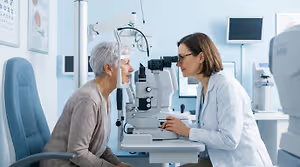
What Is Glaucoma?
Glaucoma is a group of eye conditions that damage the optic nerve, which carries visual information from your eyes to your brain. Some forms are associated with increased intraocular pressure, but this is only one part of the picture.
One of the challenges with glaucoma is that common forms can develop gradually, without noticeable symptoms early on. Regular eye exams and appropriate glaucoma testing give us the opportunity to detect changes before you notice anything different with your vision.
What Are the Signs of Glaucoma?
Glaucoma can affect your peripheral, or side, vision as it progresses. Because those changes can happen slowly, you may not immediately recognize that part of your visual field is changing.
Some types of glaucoma can cause sudden and noticeable symptoms. If you experience severe eye pain, sudden blurry vision, halos around lights, a red eye, nausea, or a rapid change in your vision, seek urgent medical attention.
Glaucoma Risk Factors
Anyone can develop glaucoma, but some people have a higher risk than others. Your age, family history, medical history, eye health, and previous exam findings can all influence how closely your eyes should be monitored.
If glaucoma runs in your family or an eye doctor has previously told you that your eye pressure or optic nerve needs monitoring, make sure you tell us. Knowing your history helps us decide which testing is appropriate and how often we should check your eyes.
How Do Eye Doctors Test for Glaucoma?
An eye pressure test is useful, but pressure alone doesn’t determine whether you have glaucoma. Our Charlotte optometrists may also evaluate your optic nerve and peripheral vision and compare findings over time. Depending on your needs, glaucoma testing may include:
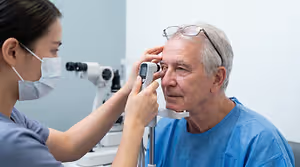
- Eye pressure testing, also called tonometry, to measure pressure inside the eye.
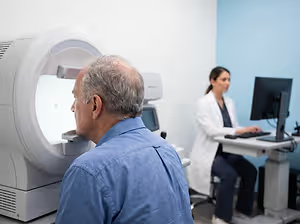
- Visual field testing to evaluate your peripheral vision.
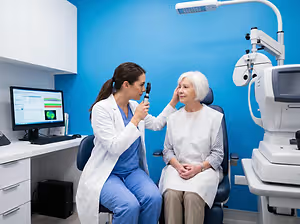
- Examination of the optic nerve for changes that may indicate damage.
- A more detailed evaluation of structures inside the eye when clinically appropriate.
We’ll explain what each test tells us and whether anything needs to be monitored more closely.
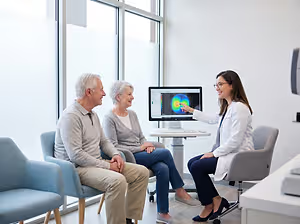
Glaucoma Management to Protect the Vision You Have
Damage caused by glaucoma cannot be reversed, but appropriate care can help reduce the risk of further vision loss. That makes ongoing monitoring especially important.
If you have glaucoma or findings that require closer observation, we’ll monitor your eyes and explain what we see from one visit to the next. Your care will depend on your diagnosis, risk factors, and how your eyes change over time.
When your condition requires treatment or care from an ophthalmologist, we can refer you to an appropriate eye specialist.
Glaucoma FAQs
A visual field test measures how much you can see around you while looking straight ahead. In other words, it helps us evaluate your peripheral vision. This testing can be particularly useful for evaluating and monitoring glaucoma, as the condition can cause changes in peripheral vision.
There currently isn’t a cure that reverses optic nerve damage caused by glaucoma. Treatment and ongoing management instead focus on protecting remaining vision and reducing the risk of further damage.
With common forms of glaucoma, you may not notice an early warning sign at all. Changes to peripheral vision can develop gradually, which is why routine eye care and appropriate glaucoma screening are important even when your vision seems normal.
There isn’t one schedule that works for every patient. How frequently your eyes should be monitored depends on factors such as your diagnosis, eye pressure, optic nerve health, visual field results, risk factors, and previous findings. We’ll recommend a follow-up schedule based on your eyes.
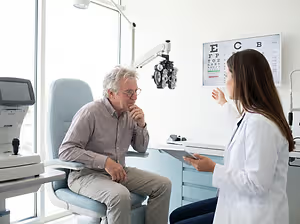
Test for Glaucoma in Charlotte, NC
You shouldn’t have to figure out what an eye pressure number or visual field result means on your own. If you’re concerned about glaucoma, have a family history of the condition, or have been told you need closer monitoring, schedule glaucoma testing at our Charlotte eye clinic.