
Diabetic Eye Exams in Charlotte, NC
Living with diabetes means keeping an eye on more than your blood sugar. Your eyes can be affected too, sometimes without giving you an obvious warning. Our Charlotte optometrists provide diabetic eye care focused on identifying changes, monitoring your retinal health, and helping you understand what it means.

How Does Diabetes Affect Your Eyes?
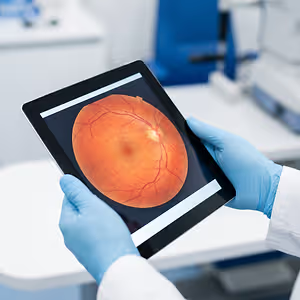
Over time, high blood sugar can damage the small blood vessels throughout your body, including those in your retina. The retina is the light-sensitive tissue at the back of your eye that helps turn what you see into signals your brain can process.
These changes can lead to diabetic eye disease, including diabetic retinopathy. Diabetes is also associated with other eye health concerns, which is why keeping up with regular eye care is an important part of managing your overall health.
What Is a Diabetic Eye Exam?
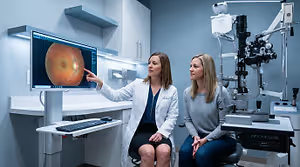
A diabetic eye exam gives your optometrist an opportunity to examine your eye health with particular attention to changes associated with diabetes. We’ll talk about your health history, diabetes management, medications, vision, and any symptoms or changes you’ve noticed.
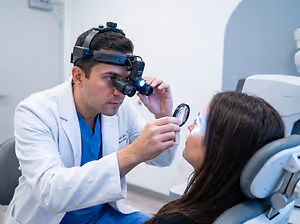
Your eye doctor will examine your eyes and retina for signs. Depending on your individual needs and findings, your diabetic eye exam may include dilation or additional testing to get a more detailed view of the structures inside your eyes.
What Is Diabetic Retinopathy?
Diabetic retinopathy is an eye condition caused by damage to blood vessels in the retina. It can develop in people with diabetes and may progress over time.
In its earlier stages, diabetic retinopathy may not noticeably affect your vision. As the condition progresses, changes in retinal blood vessels can interfere with retinal function and potentially affect your sight.
That’s why diabetic retinopathy screening matters. Instead of relying on symptoms to tell us something has changed, regular diabetic eye exams give us the opportunity to examine your retinal health directly and monitor it over time.
Symptoms of Diabetic Eye Disease
Diabetic eye disease can develop without noticeable early symptoms. When vision changes do occur, they may include:
- Blurry or fluctuating vision
- New floaters or dark spots in your vision
- Areas of missing or impaired vision
- Difficulty seeing clearly at night
- Other new or unexplained changes in your sight
If you experience a sudden or significant change in your vision, contact an Sie Eyecare in Charlotte, NC.
Monitoring Diabetic Eye Disease
Finding a change doesn’t mean you’ll be left trying to figure out what it means on your own.
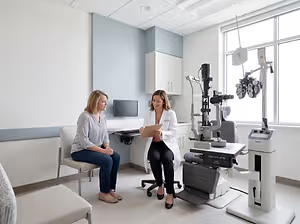
If your diabetic eye exam shows something that needs monitoring, we’ll explain the finding and discuss what we recommend next. That may mean following your eyes more closely or coordinating additional eye care when appropriate.
Our role is to help you understand what’s happening with your eyes and make sure you know your next step.
Schedule a Diabetic Eye Exam in Charlotte
Managing diabetes involves looking after your health from multiple angles, and your eyes deserve to be part of that conversation. Schedule your diabetic eye exam with our Charlotte optometrists and keep us in the loop as you care for your health and vision.